Best Solar Screens Contractor and Window Cleaning Company
Welcome to Solar Screens & Cleaning Service, your trusted solar screens contractor and window cleaning company serving homes and businesses across Texas. We specialize in creating energy-efficient, stylish, and comfortable spaces through our expert solar screen installations and detailed cleaning services. From protecting your interiors from harsh sunlight to maintaining spotless windows, we deliver exceptional results every time.
Trusted Solar Screens Contractor in Texas
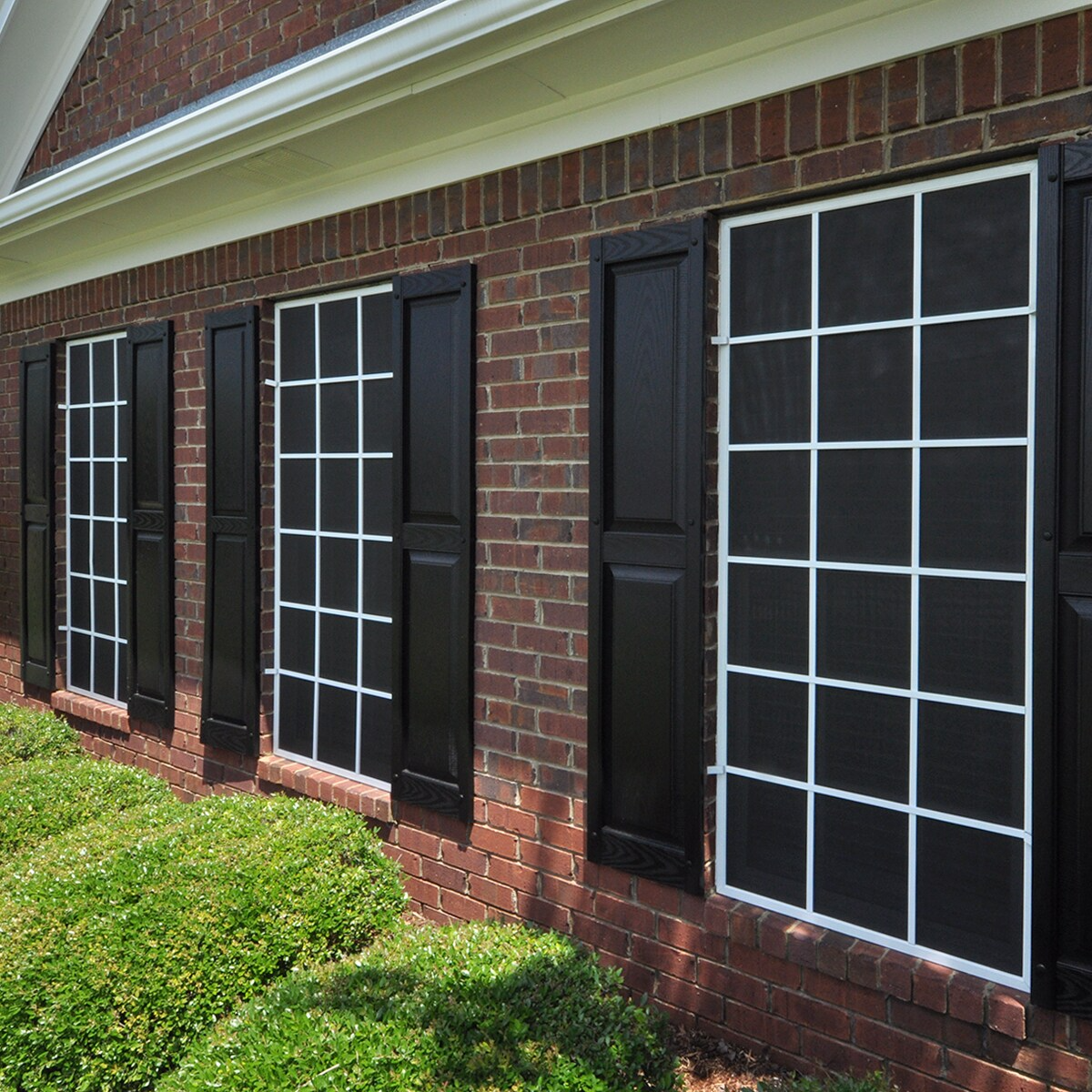
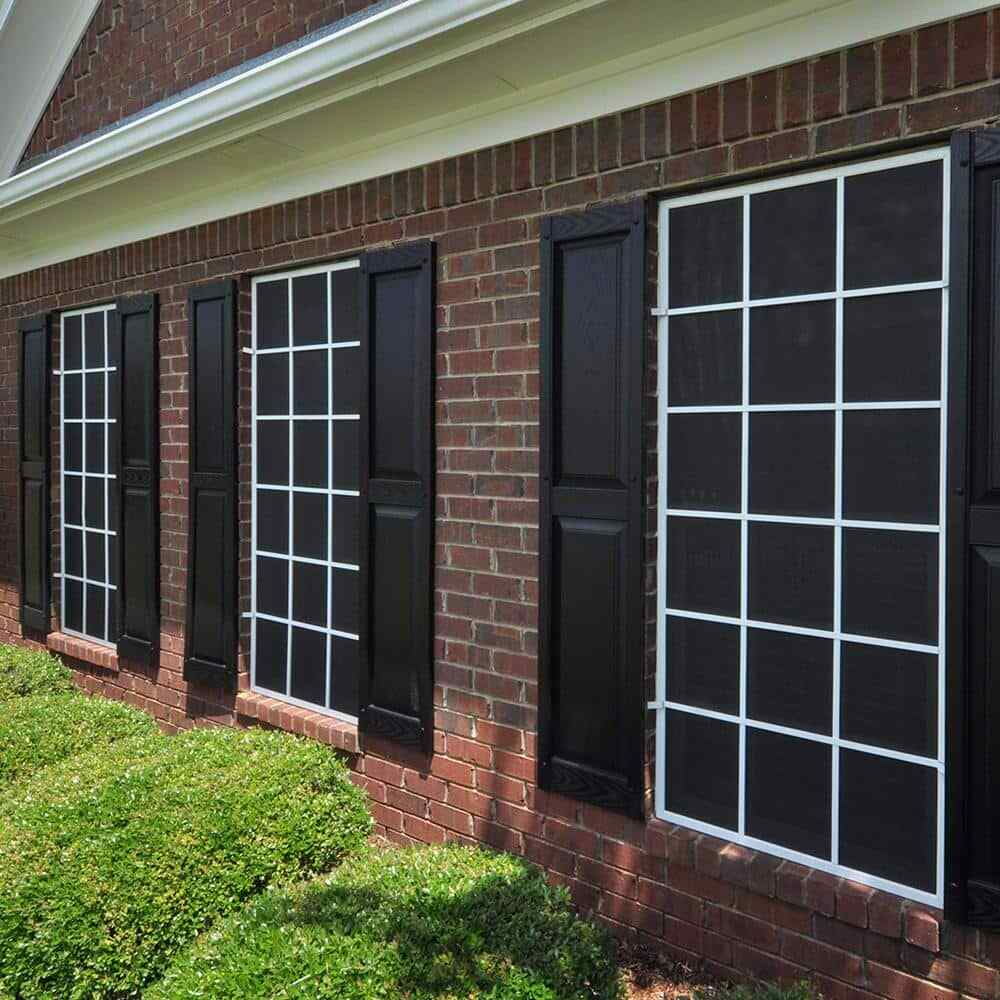
At Solar Screens & Cleaning Service, we provide premium solar screen installations that keep your home cool, comfortable, and stylish. Our custom-built solar screens enhance energy efficiency and add a polished look to your property. We handle every step with precision, ensuring a perfect fit and long-lasting durability.
Benefits of Solar Screens Installation
Energy Efficiency
Our solar screens block harmful UV rays and reduce indoor heat, helping you cut energy bills year-round.
Durable Materials
We use high-quality mesh and frames that resist fading, corrosion, and wear from Texas weather.
Enhanced Privacy
Enjoy natural light while maintaining privacy inside your home or business.
Custom Fit
Each solar screen is measured and crafted precisely to fit your window size and shape.
Reliable Window Cleaning Company You Can Count On
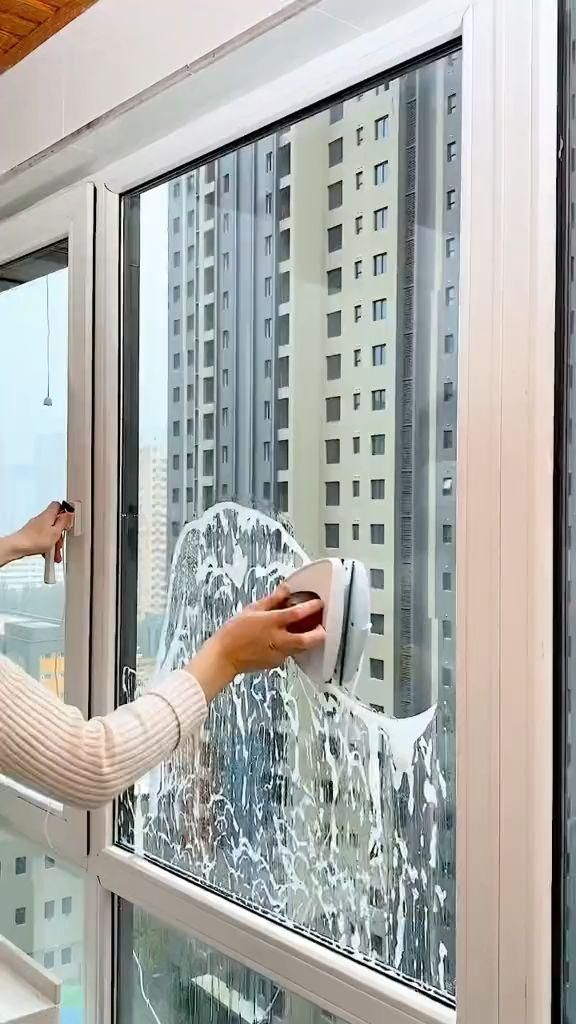
Our professional window cleaning company in Texas delivers spotless, streak-free results for residential and commercial spaces. Using advanced tools and eco-safe cleaning solutions, we remove dirt, grime, and mineral buildup to restore crystal-clear views. Our experienced team ensures safety, precision, and complete satisfaction every time.
Professional Window Cleaning Services
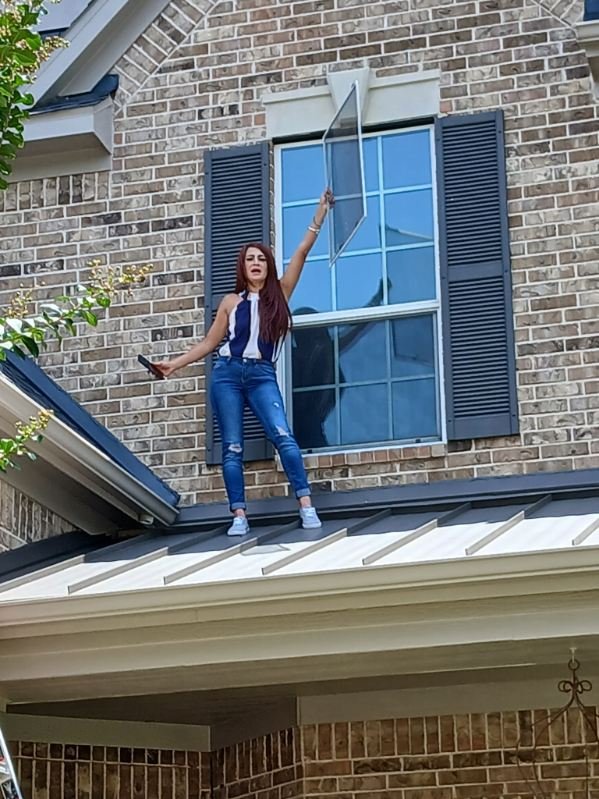
Residential Cleaning: We provide deep, streak-free window cleaning for homes of any size.
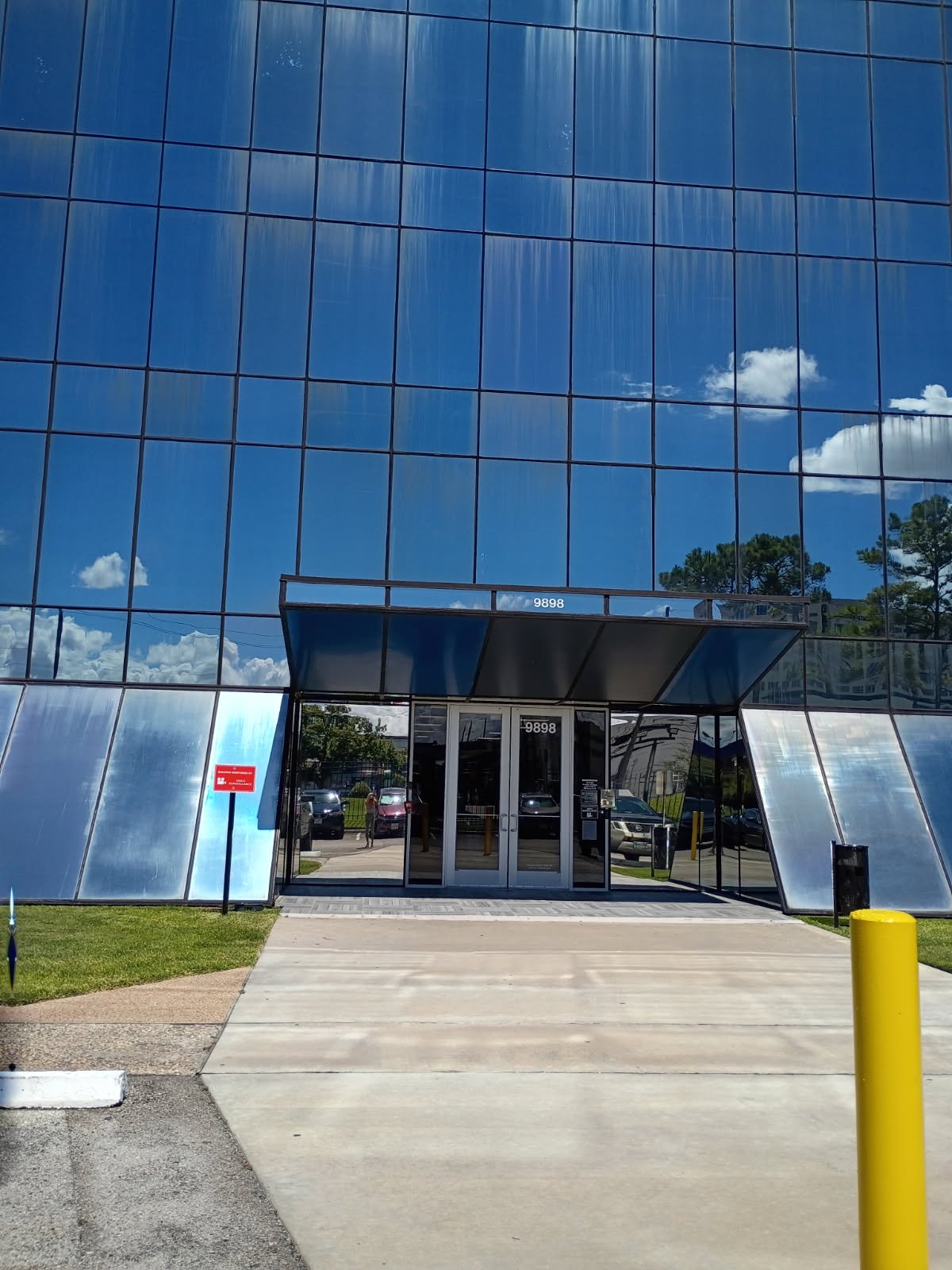
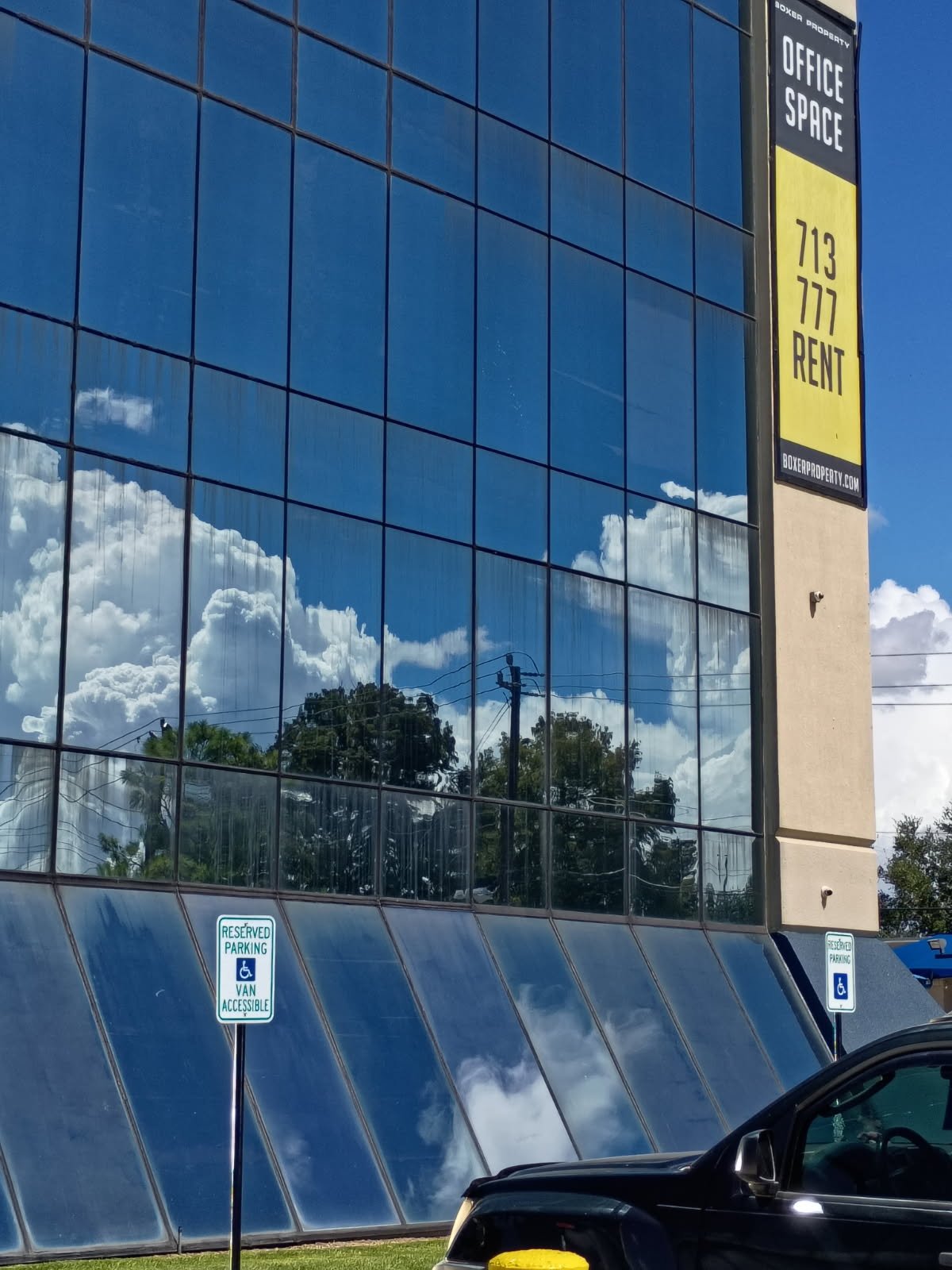
Commercial Cleaning: Our experts handle office buildings, storefronts, and high-rise windows with care and efficiency.
Eco-Friendly Products: We use environmentally safe cleaners that protect your glass and the environment.
Routine Maintenance Plans: Schedule regular cleaning to keep your property shining all year long.
Why Choose Solar Screens & Cleaning Service
We are proud to be one of Texas’s most dependable solar screens contractors and window cleaning professionals. With years of experience, skilled technicians, and a customer-first approach, we guarantee results that enhance comfort and curb appeal. Our team prioritizes transparency, reliability, and top-tier craftsmanship on every project.
What Sets Us Apart
Local Expertise
We understand Texas weather and design our solar screens for lasting performance.
Affordable Pricing
Get premium service at competitive rates without hidden fees.
Quick Turnaround
We complete most installations and cleanings efficiently, respecting your schedule.
Guaranteed Satisfaction
Every project is backed by our service guarantee for your peace of mind.
Services We Provide
At Solar Screens & Cleaning Service, we offer a full range of solutions to improve comfort, style, and cleanliness. Each service is tailored to your home’s needs, combining craftsmanship and value.
Our Comprehensive Services
Enhance Comfort and Energy Efficiency with Solar Screens
Our solar screens offer a perfect blend of function and style. Designed to withstand Texas heat, they provide superior shade, protect furniture from sun damage, and reduce cooling costs. We ensure each screen complements your property’s architecture for a seamless, elegant finish.
Advantages of Choosing Solar Screens
Cooler Indoors: Experience cooler temperatures without overusing air conditioning.
UV Protection: Prevent furniture and flooring from fading due to sunlight.
Custom Options: Choose from various colors and frame designs to match your home.
Low Maintenance: Our solar screens are easy to clean and built to last for years.
Experience Spotless Windows and Professional Care
Our window cleaning services are designed to leave your windows shining and clear, inside and out. From small homes to large offices, we handle every job with professionalism and care. With flexible scheduling and transparent pricing, we make clean windows easier than ever.
What to Expect from Our Cleaning Team
Skilled Technicians: Trained experts handle each project with precision.
Safe Practices: We follow all safety standards for high and low-rise cleaning.
Modern Equipment: Our advanced tools ensure efficient, streak-free results.
Customer Satisfaction: Your satisfaction is our top priority, every time.



Benefits
Reasons why you should hire our services
You should hire our services because we offer professional expertise, exceptional results, and a hassle-free experience.
- No contracts
- No admin fees
- Safe Installations
- Secure payments
- Highest cleaning standards
- Guaranteed services
- Superior customer support
Your Local Partner for Quality and Trust
At Solar Screens & Cleaning Service, we’re more than contractors; we’re partners in improving your home’s comfort and appearance. From solar screens to window cleaning, every project reflects our dedication to quality, reliability, and honest service across Texas.
FAQs
They block UV rays, reduce heat, and help lower energy costs while maintaining outside views.
Every 3–6 months ensures optimal clarity and maintenance of glass surfaces.
Yes, we only use non-toxic, environmentally friendly products.
Absolutely, we design each screen to perfectly fit your window dimensions.
Yes, you can bundle solar screen installation and window cleaning for added savings.
Testimonials
Our Best Customer Reviews
"Absolutely thrilled with the window tinting! The team was professional, quick, and the results are amazing. My house stays cooler, and it looks great from the outside. Highly recommend!"
Jessica M.